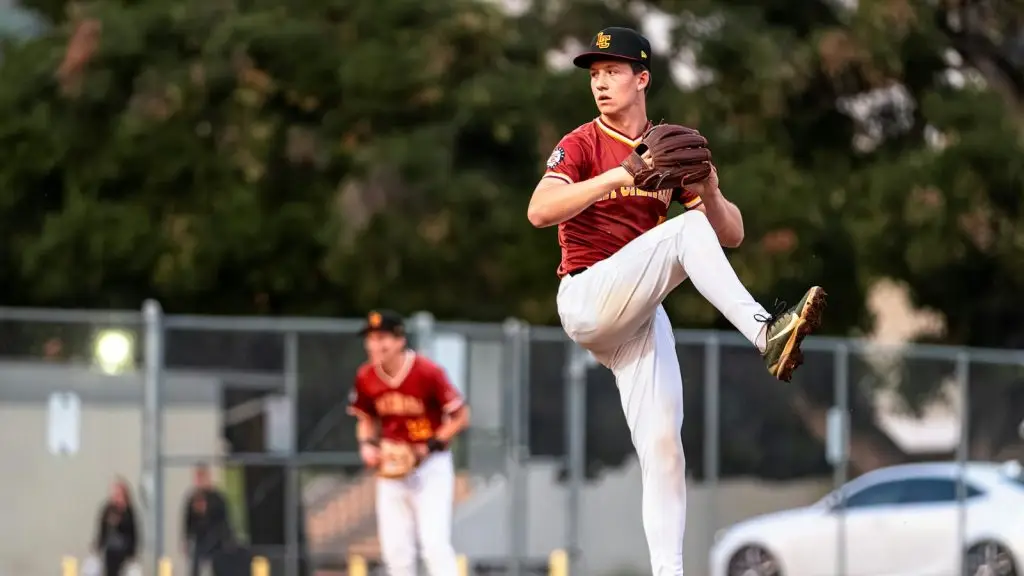
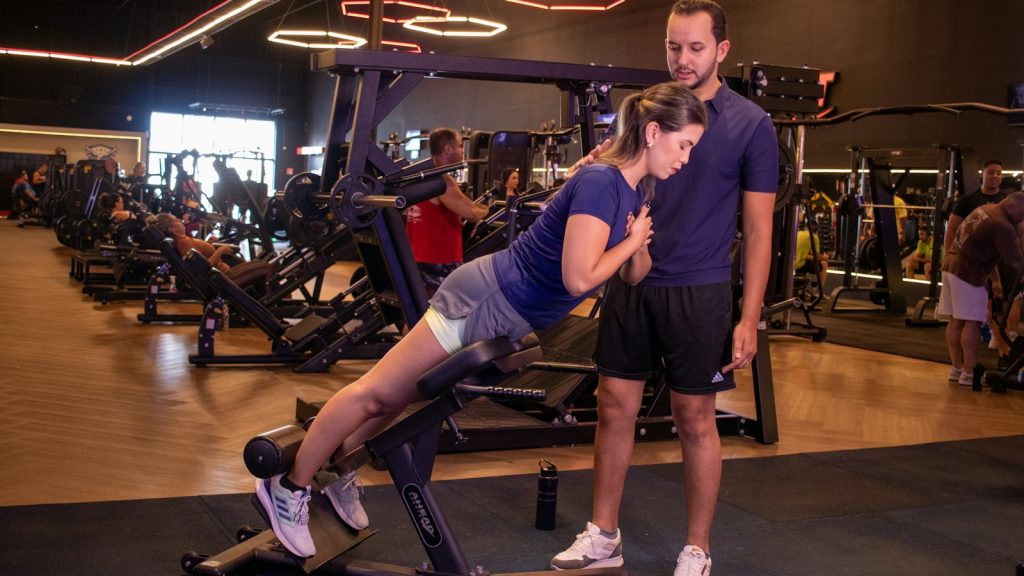
One awkward landing or sudden change of direction can bring an athlete’s season to an unexpected stop. For girls who participate in soccer, basketball, volleyball, lacrosse, and other fast-paced sports, knee preparation should be part of preseason training. We help athletes build strength, improve movement control, and develop the confidence to compete without becoming fearful of injury.
>>>Request an appointment for a preseason ACL injury prevention screening.
Why ACL Injury Prevention Matters for Girls
The anterior cruciate ligament, commonly called the ACL, helps stabilize the knee during cutting, jumping, landing, and sudden stops. Although some ACL injuries involve contact with another athlete, many happen without direct contact during a pivot, landing, or rapid change of direction.
Female athletes experience ACL injuries more often than male athletes in several comparable sports. This difference may involve multiple factors, including anatomy, strength, coordination, movement mechanics, training exposure, and muscle activation.
This does not mean girls are fragile or destined to suffer a knee injury. It means they deserve preparation that reflects the speed, strength, and control their sports demand.
Prevention Begins Before the First Practice
ACL injury prevention should not begin after knee pain develops or when the competitive schedule is already full. Starting before the season gives an athlete time to build strength and practice new movement strategies without the fatigue and pressure of regular games.
A preseason program can begin with controlled movements before progressing to faster, more reactive drills. This gradual approach allows the athlete to improve technique while developing the physical capacity needed for cutting, jumping, and decelerating.
Our ACL Injury Prevention Programs are personalized around the athlete’s sport, position, movement patterns, and individual goals.
What Stronger-Knee Training Should Include
An effective program prepares the entire body rather than focusing only on the knee. Training may include:
- Hip, glute, hamstring, quadriceps, and core strengthening
- Single-leg balance and stability exercises
- Jumping and landing instruction
- Cutting and change-of-direction drills
- Deceleration and stopping control
- Progressive plyometric training
- Reactive agility exercises
Every exercise should have a clear purpose. Athletes need to understand how their trunk, hips, knees, and feet work together to produce and absorb force.
Simply completing repetitions is not enough. Focused coaching helps athletes recognize inefficient movement patterns, make corrections, and repeat better mechanics until they feel more natural.
Movement Quality Is as Important as Strength
Many young athletes are highly motivated and willing to work hard. However, effort without movement control can reinforce habits that place unnecessary stress on the knees.
During a landing, we may look at whether the athlete bends her hips and knees enough to absorb force. We also observe whether one knee moves inward, whether she favors one side, and whether she can maintain balance after contacting the ground.
Cutting and stopping require similar control. An athlete may run quickly in a straight line but struggle to slow down or change direction efficiently. Practicing these movements at controlled speeds helps build a foundation before intensity increases.
Through our Sports Medicine approach, we combine physical therapy expertise with strength and conditioning science to prepare athletes for the real demands of competition.
Signs an Athlete May Need Additional Support
Parents and coaches may notice signs that an athlete could benefit from professional screening, including:
- Knees moving inward during squats, jumps, or landings
- Difficulty balancing on one leg
- Unequal strength or control between the legs
- Stiff, loud, or unstable landings
- Knee pain or swelling during activity
- Fear when cutting, jumping, or returning to play
- A previous ACL tear or significant leg injury
These signs do not guarantee that an injury will occur. They may reveal modifiable limitations that can be addressed through individualized training.
Pain, swelling, locking, or episodes of the knee giving way should not be ignored. An athlete experiencing these symptoms should receive an appropriate evaluation before continuing full participation.
Prevention Training Can Support Better Performance
The qualities that help protect the knee can also improve athletic performance. Stronger hips and legs may help an athlete generate and absorb force more effectively. Better balance can improve control during unpredictable plays, while efficient deceleration can support quicker changes of direction.
Athletes returning after ACL surgery or another serious lower-extremity injury may also benefit from Return-to-Sport Testing. Objective testing can assess strength, power, agility, movement quality, and readiness for competition.
Prevention is not about teaching athletes to move cautiously. It is about giving them the strength and confidence to move decisively.
Build Stronger Knees Before the Season
We proudly help athletes and active families in Yorba Linda prepare for healthy, successful seasons. Our team creates personalized plans that combine evidence-based care, movement coaching, and performance-focused training in a state-of-the-art facility.
The goal is to help every athlete feel stronger, move with confidence, and pursue a Life Without Limits.
Call (714) 695-1566 or request an appointment online to help your athlete build stronger knees before the season begins.