It can feel frustrating when an injury improves, only to return weeks or months later. We often meet patients who did the exercises, finished therapy, felt better, and then slowly started noticing the same pain during workouts, sports, work, or everyday movement.
Recurring pain does not mean your body failed. It often means your recovery plan may not have fully addressed the strength, movement, workload, or performance demands needed for lasting results.
>>>Request an appointment and understand why your injury keeps coming back and build a stronger plan forward.
Pain Relief Is Not the Same as Full Recovery
One of the biggest reasons injuries return is that treatment stops when pain improves.
Pain relief matters. It helps you sleep better, move with more confidence, and return to daily life. But feeling better does not always mean the injured area is fully ready for sport, lifting, running, or long-term activity.
Many patients feel good during basic movements but still lack the strength, control, endurance, or confidence needed for higher-level demands.
That gap can become a problem.
If your knee feels fine walking but struggles with cutting, jumping, or stairs, the injury may return when your activity increases. If your shoulder feels better with rest but has not rebuilt strength for throwing, swimming, or lifting, the same irritation can come back once volume increases.
Long-term recovery requires more than symptom control. It requires rebuilding capacity.
The Root Cause Was Never Fully Addressed
Sometimes the painful area is not the only problem.
A sore knee may be influenced by hip strength, ankle mobility, landing mechanics, or training volume. Low back pain may be connected to hip movement, trunk control, lifting mechanics, or prolonged sitting. Shoulder pain may be tied to upper back mobility, shoulder blade control, rotator cuff strength, or sport-specific workload.
When therapy only focuses on the painful area, it can miss the bigger picture.
Through Sports Medicine, we look at how the entire body moves together. This helps us understand whether your recurring pain is being driven by weakness, compensation, mobility limits, poor control, or a mismatch between your activity level and your body’s current capacity.
The goal is not just to calm symptoms. The goal is to understand why those symptoms started and why they keep returning.
Strength Was Not Fully Rebuilt
Strength is one of the most common missing links in recurring injuries.
A muscle can feel better before it is truly strong enough. You may be able to complete daily tasks without pain, but still fall short when the body has to absorb force, change direction, carry load, or perform under fatigue.
This matters for athletes, active adults, and post-operative patients in Yorba Linda who want to return to the activities they love without feeling like they are always starting over.
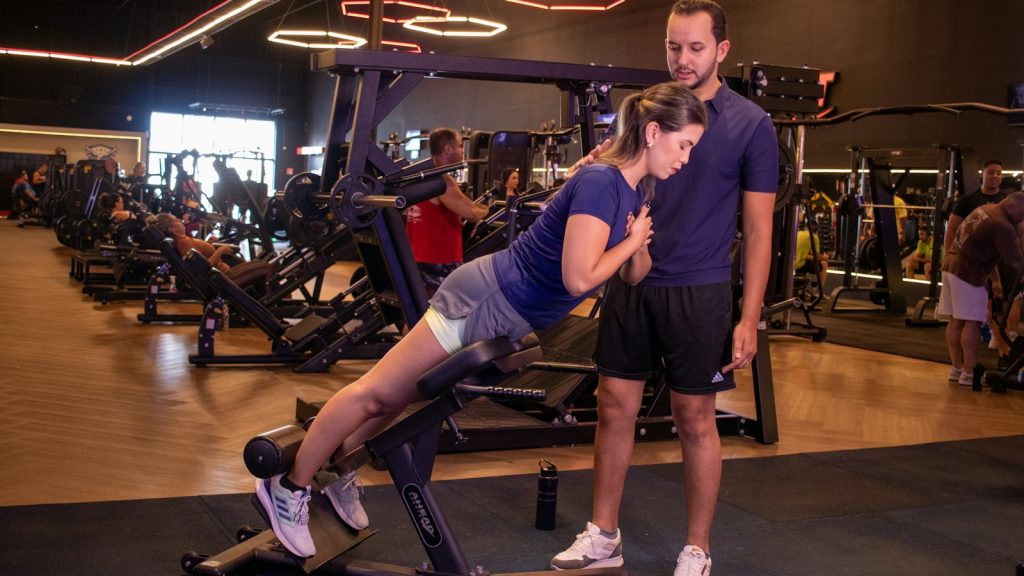
We use objective tools like Dynamometer Strength Testing to help identify strength gaps that are not always obvious by feel alone.
When strength is measured, progress becomes clearer. When progress is clearer, the plan becomes more specific.
The Return to Activity Happened Too Quickly
Another reason injuries come back is that activity ramps up faster than the body can tolerate.
This can happen when patients feel better and jump straight back into running, lifting, tournaments, practices, or weekend sports. Motivation is a good thing, but tissue capacity takes time to rebuild.
A smart return should be progressive. Your body needs to earn each step back by showing that it can handle the previous step well.
Warning signs that your return may be moving too fast include:
- Pain that increases during or after activity.
- Soreness that lasts longer than expected.
- Swelling, stiffness, or limping after training.
- A need to constantly modify the same movement.
- Confidence that drops when speed, load, or intensity increases.
These signs do not mean you need to stop forever. They mean the plan may need better pacing.
The Exercises Were Too Generic
Generic exercises can help, but they may not be enough for a specific person with a specific goal.
Two people can have the same diagnosis and need very different plans. A runner with knee pain, a tennis player with shoulder pain, and a parent recovering from back pain may all need different progressions, even if their symptoms sound similar.
Your therapy should reflect your life.
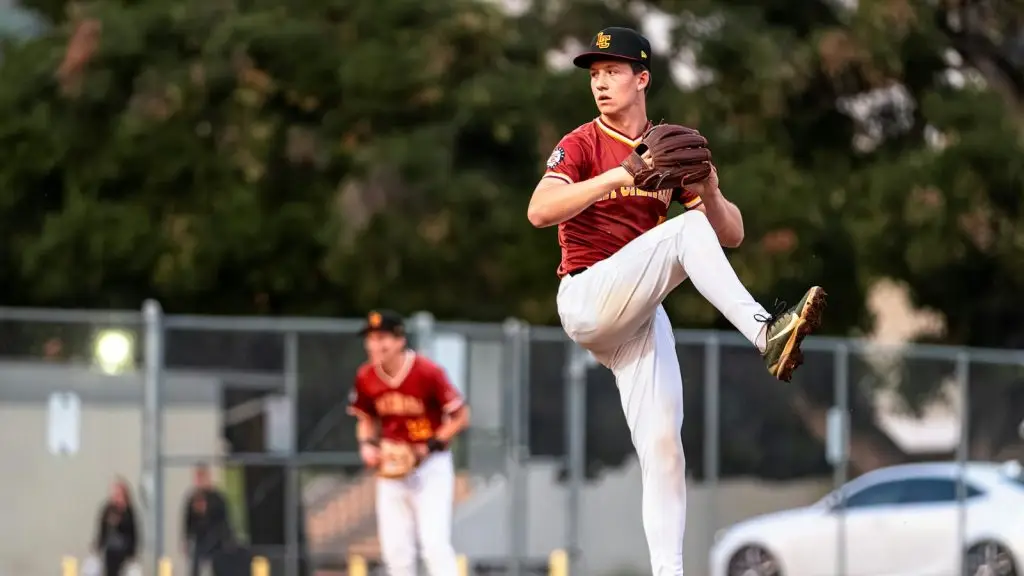
If you want to return to golf, your plan should address rotation, balance, hip mobility, trunk control, and power. If you want to return to baseball, your plan should include throwing-specific strength and workload progressions through services like Arm Care & Throwing Programs. If you are returning from surgery, Post-Surgical Rehabilitation should help restore movement, strength, confidence, and function in a way that matches your goals.
The best plan is not the most complicated one. It is the one that is built for you.
Movement Habits Did Not Change
Injuries often return when the body goes back to the same movement habits that contributed to the problem.
This does not mean every movement has to be perfect. It means certain patterns may place repeated stress on the same area over time.
For example, a runner may keep overloading one side. A lifter may lose control at the bottom of a squat. A throwing athlete may rely too much on the arm instead of using the legs and trunk. A patient with back pain may brace poorly during daily lifting.
Through Neuromuscular Re-education (Biofeedback), we help patients improve awareness, coordination, and control so better movement becomes easier to repeat.
That is where lasting change happens. Not just in the clinic, but in the way you move every day.