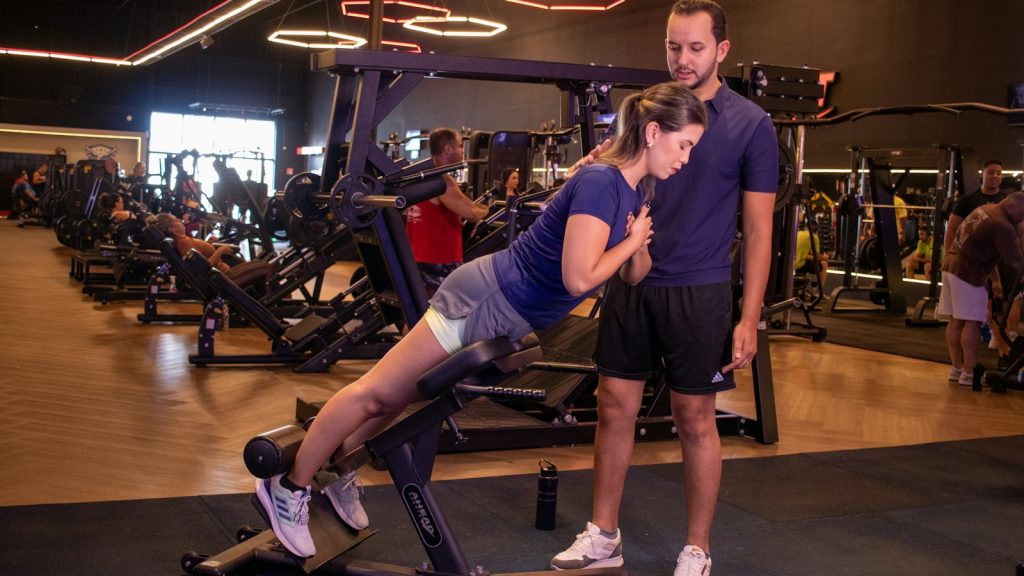
Walking is one of the best habits you can build, but it may not be enough on its own to keep your body strong, mobile, and resilient over time. We meet many active adults who walk every day, feel proud of their consistency, and still struggle with knee pain, hip stiffness, low back discomfort, balance changes, or weakness during stairs, lifting, sports, and daily activities.
Walking is a strong foundation, but your body also needs strength, mobility, balance, and progressive challenge to keep moving well for years to come.
>>>Request an appointment and build a movement plan that supports your strength, mobility, and Life Without Limits.
Walking Is Valuable, But It Has Limits
Walking improves circulation, supports heart health, helps maintain endurance, and keeps the body moving. It is accessible, low-impact, and easy to build into a daily routine.
Those benefits matter.
The limitation is that walking primarily trains the body in a single, repetitive pattern. It does not fully challenge strength through deeper ranges of motion. It does not require much rotation, side-to-side movement, power, or controlled balance. It may also not be enough to maintain the muscle strength needed for climbing stairs, lifting groceries, getting off the floor, playing sports, or preventing recurring aches.
In other words, walking helps you stay active, but it may not prepare your body for everything life asks of you.
Strength Is What Helps You Stay Independent
Long-term mobility depends on strength.
Your legs need strength to climb stairs, stand from a chair, carry laundry, hike, travel, and keep up with family. Your hips need strength to support balance and reduce unnecessary stress on the knees and back. Your trunk needs strength to help you lift, rotate, and move with control.
Walking can help maintain general activity, but it usually does not provide enough resistance to build or preserve higher levels of strength.
That is why we often encourage active adults in Yorba Linda to think beyond steps. Your step count is helpful, but it does not tell the whole story of how well your body can manage load, speed, direction changes, or fatigue.
Through Sports Medicine, we help patients bridge the gap between being active and being truly prepared for the activities they love.
Mobility Needs More Than Repetition
Many people assume that walking will keep them flexible because they are moving every day.
Walking does move the hips, knees, ankles, and spine, but only through a limited range. If you rarely move into deeper hip motion, spinal rotation, ankle mobility, or overhead reaching, those areas may gradually feel more restricted.
That stiffness can show up during golf, pickleball, gardening, lifting, travel, or even getting in and out of the car.
Mobility needs variety. Your joints benefit from controlled movement in different directions, not just the same forward motion every day.
Services like Joint Mobilization & Stretching can help restore motion when stiffness limits function, but long-term success also depends on using that motion in active, meaningful ways.
Balance and Stability Need Practice
Walking on flat ground does not always sufficiently challenge balance.
As we move through life, the body needs to react to uneven sidewalks, stairs, curbs, pets underfoot, quick turns, and unexpected changes in direction. If balance and stability are not practiced, they can gradually decline.
A strong movement plan should include balance work that feels safe but challenging. That might include single-leg control, stepping drills, controlled lunges, lateral movement, or coordination exercises.
These skills are especially important for active adults who want to keep playing tennis, golf, pickleball, or simply feel confident moving through the day.
Signs Walking May Not Be Enough
Walking is still a great habit, but your body may need more support if you notice:
- You walk regularly but still feel weak on stairs.
- Your hips, knees, or back feel stiff after longer walks.
- You avoid hills, uneven ground, or sudden changes in direction.
- You feel less steady than you used to.
- You struggle to get up from the floor or a low chair.
- You have recurring aches that do not improve with more walking.
These signs do not mean you should stop walking. They mean walking may need to become one part of a more complete plan.
A Complete Plan Builds Capacity
A well-rounded movement plan should support the life you want to live.
For some people, that means building enough strength to travel comfortably. For others, it means returning to golf, tennis, pickleball, hiking, running, or lifting. For post-operative patients, it may mean progressing from basic walking to more advanced strength, balance, and confidence through Post-Surgical Rehabilitation.
The right plan may include strength training, mobility work, balance exercises, progressive conditioning, and movement retraining.
At our clinic, we use tools like Dynamometer Strength Testing to better understand differences in strength and create a clearer path forward. When we know what your body needs, we can help you train with more purpose.
Keep Walking, But Do Not Stop There
Walking is not the problem. It is often one of the best places to start.
The key is recognizing that walking alone may not be enough to protect long-term strength, mobility, and confidence. Your body is designed to squat, reach, rotate, carry, balance, step sideways, climb, and adapt to new challenges.
When those abilities are trained together, daily movement feels easier and recreational activities become more sustainable.
If walking is your main form of exercise but you still feel limited, stiff, or weaker than you want to be, we can help you build the next step. Call (714) 695-1566 or request an appointment with Salinas Physical Therapy / Sports Medicine to create a plan that supports long-term strength, better mobility, and your Life Without Limits.