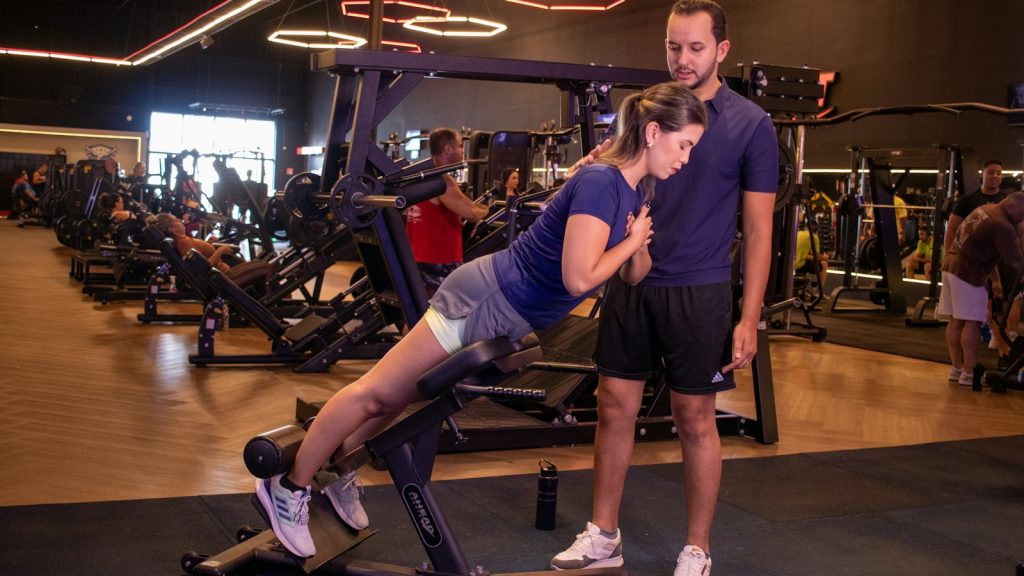
A tight feeling in the back of your hip or leg does not automatically mean the muscle needs more stretching. The same description can reflect muscular soreness, referred pain from the spine, or irritation involving a nerve root. The safest and most effective next step depends on which pattern is actually present.
>>> If leg pain or tightness keeps returning, request an appointment.
Start With the Symptom Map
Muscular discomfort is often local and connected to a recent loading event. It may feel tender when you press the area or challenge the muscle, and it commonly changes as the tissue warms up. That pattern can still require care, but it differs from symptoms that travel along the leg.
Sciatica is a common term for pain associated with the sciatic nerve pathway. Clinically, we also consider whether a spinal nerve root may be involved. Pain can extend from the low back or buttock into the thigh, calf, or foot. Burning, electric, tingling, or numb sensations increase our concern for neural involvement, although no single adjective proves the diagnosis.
The Pattern Matters More Than One Stretch Test
A nerve is sensitive to position and load across more than one joint. Symptoms may change when you sit, bend, cough, straighten the knee, or move the ankle. A hamstring can also feel tight in some of those positions, which is why pulling harder on the leg is not a reliable way to identify the source.
We compare movements and look for a consistent response. Do symptoms move farther down the leg, retreat toward the back, change with repeated spinal motion, or appear only when the muscle produces force? Those findings help narrow the possibilities.
Clues That Point Toward Nerve Involvement
- Pain, tingling, or numbness that travels below the buttock
- Symptoms that follow a consistent line into the calf or foot
- Noticeable weakness in the leg, ankle, or foot
- Changes in reflexes or sensation found during an examination
- Symptoms that change with spinal position, coughing, or sneezing
These signs do not mean every case is severe. They mean the examination should include the nervous system rather than treating the problem as isolated muscle tightness.
Clues That Fit a Muscular Problem
A muscle strain or overload is more likely when discomfort began during a specific effort, remains localized, is reproduced by contracting or lengthening the muscle, and improves along a predictable healing course. Bruising, swelling, or a sudden loss of force after a high-speed movement can indicate a more significant injury and should be assessed.
It is also possible to have both problems. Protective muscle tension can develop around an irritated spine or nerve, and a previous injury can change how load is distributed. A thorough evaluation avoids forcing the symptoms into one category too early.
Why Aggressive Stretching Can Backfire
If neural tissue is sensitive, repeatedly stretching into tingling or radiating pain may increase irritability without improving the underlying problem. We may first modify the provoking position, use movement that reduces symptoms, restore strength around the trunk and hips, and gradually rebuild tolerance for sitting, lifting, running, or sport.
Treatment is not based on one technique. Our evidence-guided approach may combine education, movement, manual care, progressive loading, and strength and conditioning according to the examination and your goals.
Know the Signs That Need Urgent Care
Seek immediate medical attention for new loss of bowel or bladder control, numbness in the saddle region, rapidly worsening leg weakness, or severe symptoms affecting both legs. Fever, unexplained weight loss, significant trauma, or a history of cancer also changes the level of concern and should be discussed with a medical provider.
Get a Clear Answer Before You Keep Guessing
Our comprehensive spine care process looks at symptom behavior, neurological findings, movement, strength, and the demands you need to regain. We explain what the examination suggests and build a plan that moves beyond temporary relief toward durable function.
If you are unsure whether your symptoms are coming from a nerve, a muscle, or both, call (714) 695-1566 or request an appointment online. Our Yorba Linda team can help you identify the pattern and choose the right next step.