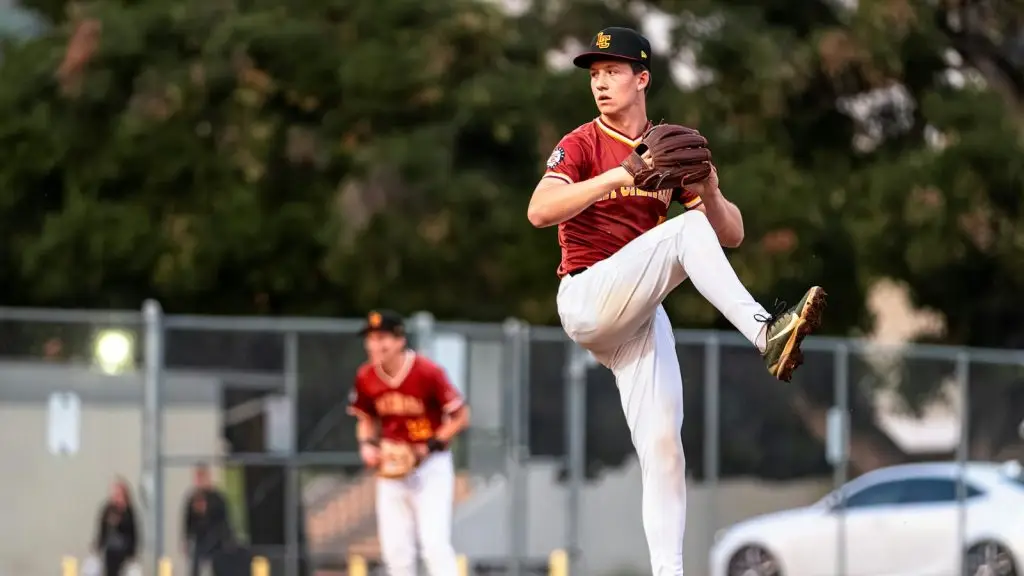
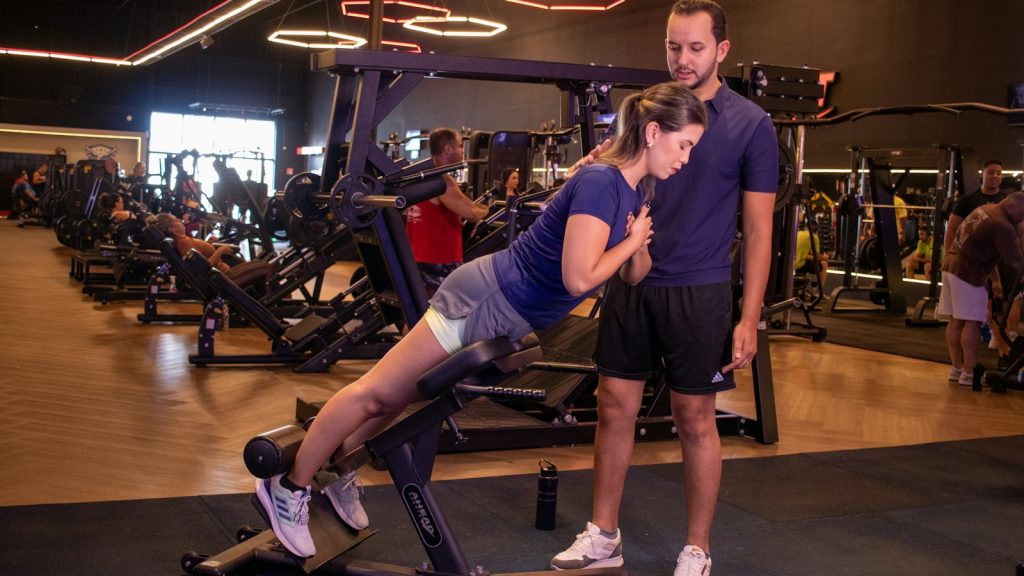
Your golf swing may look like a technique problem, but the real limitation could begin in your body. Restricted hip rotation, reduced shoulder mobility, poor balance, or limited core strength can change how you move through every phase of the swing. We help golfers identify these physical barriers and build the movement capacity needed to play with more power, consistency, and confidence.
>>>Request an appointment for a personalized TPI Golf assessment.
The Connection Between Your Body and Your Swing
Every golf swing requires mobility, stability, balance, coordination, and strength. Your body must produce force from the ground, transfer it through the hips and trunk, and deliver that energy through the arms and club.
When one area cannot perform its role, another part of the body may compensate. Limited hip mobility may cause excessive movement through the lower back. Reduced trunk rotation may encourage the arms to work harder. Poor balance can make it difficult to maintain posture or control the club throughout the swing.
The Titleist Performance Institute describes this relationship as the Body-Swing Connection. Its approach focuses on understanding how a golfer’s physical capabilities influence swing efficiency instead of forcing every player to copy one ideal swing.
What Is TPI Golf Performance?
TPI Golf Performance uses a golf-specific movement assessment to identify physical limitations that may affect your swing. Rather than guessing why you lose posture, sway, struggle with rotation, or feel pain after a round, we evaluate how your body moves.
Our TPI-certified specialist assesses key areas related to mobility, stability, strength, and balance. We then connect the findings to your swing characteristics and create a personalized plan based on your body, goals, injury history, and playing level.
This process is valuable for competitive golfers, recreational players, and active adults who simply want to enjoy the course with less discomfort.
Common Physical Limitations That Affect Golfers
A golfer can spend hours practicing without improving a swing fault that is being driven by a physical restriction. Common limitations may include:
- Reduced hip or upper-back rotation
- Limited shoulder mobility
- Poor core stability
- Difficulty balancing on one leg
- Weakness through the hips and lower body
- Reduced coordination between the upper and lower body
- Pain that changes normal swing mechanics
These findings do not mean you need a completely new swing. They help us determine whether your current body has the mobility and strength required to perform the movement your golf professional is asking you to make.
Mobility Creates Options in Your Swing
Mobility allows your body to move through the positions needed for an efficient backswing and follow-through. When the hips, upper back, or shoulders do not rotate well, the body may create movement elsewhere.
For example, limited hip or thoracic rotation may increase stress through the lower back. A golfer may also stand up through impact, lose posture, or shorten the backswing because the necessary movement is not available.
Stretching alone may not solve the problem. We first identify where mobility is limited and whether the golfer can control the new range of motion. This helps us choose exercises that have a clear purpose instead of assigning a generic flexibility routine.
Strength and Stability Help Transfer Power
Distance does not come only from swinging harder. A powerful swing requires the body to create force and transfer it efficiently.
The legs and hips provide a strong base. The core helps connect the lower and upper body. The shoulders and arms then guide the club through impact. If one part of this chain lacks strength or stability, energy may be lost before it reaches the ball.
Through Performance Training, we build rotational strength, stability, mobility, and power around the golfer’s individual needs. Our goal is not simply to make you stronger in the gym. We want that strength to improve how you move on the course.
TPI Golf Can Help Address Pain and Performance
Golf-related discomfort often develops when the body repeatedly compensates for restricted or inefficient movement. Lower-back, hip, shoulder, elbow, and wrist symptoms may become more noticeable after several holes or a long practice session.
Pain should not automatically be blamed on age or accepted as part of the game. A thorough assessment can help us identify whether mobility restrictions, strength deficits, workload, or movement strategies may be contributing to the problem.
When appropriate, we combine TPI Golf Performance with individualized physical therapy, hands-on treatment, corrective exercise, and progressive strengthening. This integrated approach allows us to address discomfort while also preparing your body for the demands of golf.
Build a Swing That Fits Your Body
We proudly help golfers in Yorba Linda understand their movement and develop a more efficient, resilient swing. Our state-of-the-art facility provides the space and equipment needed for golf-specific assessments, strength training, mobility work, and individualized performance development.
Your best swing is not created by forcing your body into positions it cannot control. It begins by improving the physical qualities that allow you to move confidently and consistently.
Call (714) 695-1566 or request an appointment online to schedule a TPI Golf assessment and start building a stronger body for better golf.