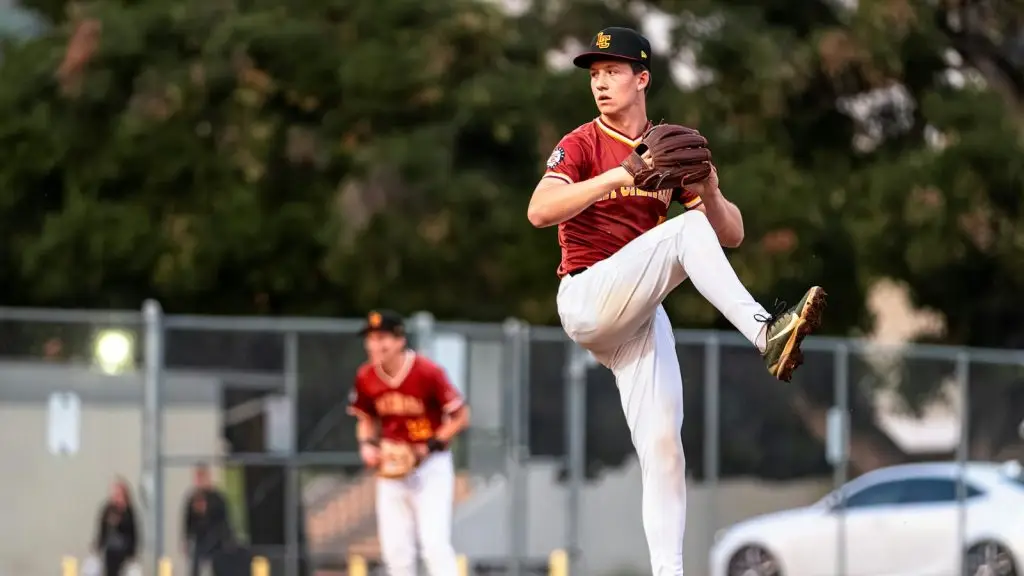
A strong throwing arm is built through more than pitching practice. Youth baseball players need appropriate strength, mobility, throwing preparation, workload management, and recovery throughout the year. The goal is not to make young athletes afraid to throw. We want them to develop healthy habits that support confident performance for many seasons to come.
>>>Request an appointment for a youth baseball arm care assessment.
Year-Round Arm Care Does Not Mean Year-Round Pitching
Year-round arm care and year-round competitive throwing are not the same thing. A healthy annual plan should change according to the athlete’s season, age, position, training history, and current workload.
During the offseason, players can focus on general strength, mobility, movement quality, and recovery. Throwing can then be introduced gradually as the preseason approaches. During the competitive season, the priority shifts toward maintaining strength, monitoring workload, and recovering between games.
MLB Pitch Smart recommends age-specific pitch limits and required rest periods. It also emphasizes that parents and athletes may need to track total workload across school, recreational, travel, and tournament teams.
Our Pitch Safe™ Arm Care program adapts training to the baseball calendar instead of giving every player the same routine throughout the year.
Why Young Throwing Arms Need Protection
Youth athletes are still growing. Repetitive throwing can place stress on the shoulder, elbow, muscles, tendons, and developing areas of bone, especially when workload increases faster than the body can adapt.
Overuse injuries occur when repeated stress exceeds the body’s ability to recover. Pitchers face particular risk because of the volume and intensity of their throws. Inadequate rest, high pitch counts, overlapping teams, fatigue, and poor throwing mechanics can add to the demand placed on the arm.
Pain should never be treated as a normal part of youth pitching. A player who repeatedly reports shoulder or elbow discomfort needs support, not pressure to push through another inning.
What a Complete Arm Care Plan Includes
Arm care involves the entire body because throwing power travels from the ground through the legs, hips, trunk, shoulder, elbow, and hand. A personalized plan may address:
- Shoulder and elbow mobility
- Rotator cuff and shoulder blade strength
- Core and lower-body strength
- Balance and movement coordination
- Dynamic throwing warm-ups
- Age-appropriate throwing progressions
- Pitch counts and required recovery
- Throwing mechanics and body sequencing
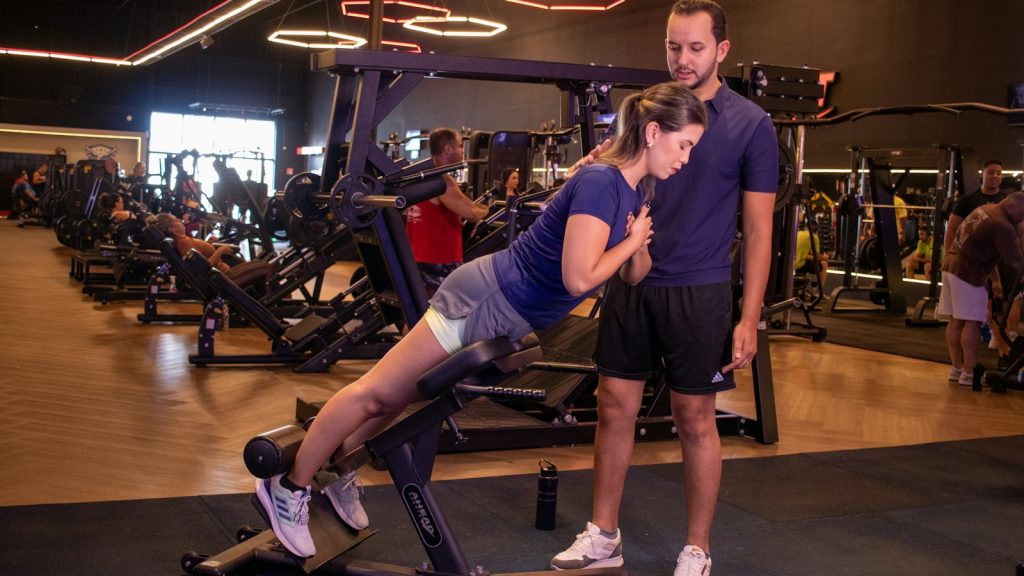
Our Pitch Safe™ Arm Care program begins with an assessment of movement, strength, range of motion, throwing mechanics, injury history, and current workload. We then create a plan that reflects the athlete’s needs instead of relying on a generic band routine.
Pitch Counts Are Only Part of the Picture
Pitch counts are important, but they do not capture every throw an athlete makes. Warm-up pitches, bullpen sessions, private lessons, practices, showcases, and throws from another position all contribute to total workload.
Parents should communicate with every coach involved in the athlete’s schedule. One team may follow appropriate limits without knowing that the player pitched for another team the previous day.
Fatigue also matters. A player may begin missing locations, losing velocity, changing mechanics, dropping the elbow, or using more effort to produce the same result. Continuing to pitch when tired can expose the arm to unnecessary stress.
Following established pitch-count and rest recommendations can help families make safer decisions, particularly when a player participates in multiple leagues.
Mechanics Begin With the Whole Body
The arm should not create all the force during a throw. Efficient mechanics use the lower body and trunk to generate and transfer energy.
Limited hip mobility, poor balance, reduced trunk control, or inadequate leg strength may cause a player to rely more heavily on the shoulder and elbow. That is why our Sports Medicine approach evaluates the complete movement system.
Throwing mechanics should also be coached according to the athlete’s age and development. The goal is not to force every pitcher into one identical motion. We focus on efficient sequencing, repeatable movement, and patterns that help the athlete throw with control.
Warning Signs Parents Should Not Ignore
A young player should be evaluated when arm symptoms continue, return repeatedly, or affect throwing. Warning signs can include shoulder or elbow pain, reduced throwing accuracy, declining velocity, altered mechanics, numbness, swelling, or fatigue that lasts for several days.
Resting briefly and returning to the same workload without addressing the cause may allow the problem to return. A proper evaluation can help determine whether the athlete needs temporary throwing restrictions, rehabilitation, a gradual throwing progression, or changes to strength and mechanics.
The American Academy of Orthopaedic Surgeons advises families to follow youth pitching guidelines and avoid pitching on consecutive days or for multiple teams with overlapping seasons.
Help Your Athlete Pitch Safe
We proudly help baseball players and active families in Yorba Linda develop stronger, healthier throwing habits. Our state-of-the-art facility provides space for strength training, movement assessment, throwing instruction, and individualized recovery.
Through Pitch Safe™ Arm Care and Performance Training, we help athletes build durable strength while preparing for the demands of their position and season.
Call (714) 695-1566 or request an appointment online to create a year-round arm care plan that helps your athlete throw confidently, stay healthy, and play longer.