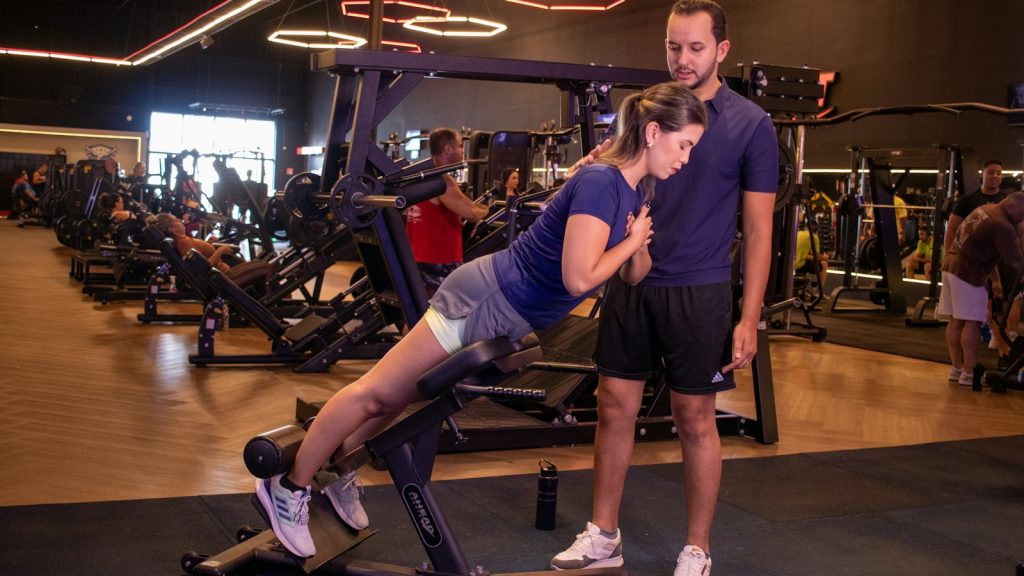
As cold and flu season approaches, so does the season of illness prevention.
From getting flu shots to adding a little extra Vitamin C to our diets, prevention often becomes a focus for those concerned with getting sick, missing work and/or school, and optimizing the joy of their upcoming Holiday Seasons.
It’s based on this mindset that medical professionals like Yorba Linda physical therapist Ruben Salinas are most likely to get some version of the question: Can exercise boost my immune system?
According to Salinas, the answer is broader than the question itself.
“In general, healthy living is the true key to building and maintaining a strong immune system, and regular exercise is definitely an important component of this,” said Salinas, owner of Salinas Physical Therapy in Yorba Linda.
“Some studies have shown that exercise on its own can play a role in reducing the length and intensity of colds and flu,” Salinas added. “But, you can’t discount the long-lasting, immune-boosting benefits of other habits like eating right, staying hydrated, getting plenty of sleep, and reducing stress.”
Research supporting exercise as an immune booster often points to many of the benefits inherent in regular fitness routines as factors that also help ward off illness: weight management, lower blood pressure, reduction in stress, and improved circulation.
At the same time, some studies have concluded that regular, mild-intensity exercise can help reduce illness, while prolonged, high-intensity exercise can have the opposite effect by making one more susceptible to catching a bug.
“I tell people that if they feel they may be catching something – a cold, a flu or whatever may be going around – they should pull back on the length and intensity of their exercise routine just to be on the safe side,” Salinas said. “Keep getting your exercise, but also take greater care to make sure you’re staying hydrated, eating well and giving your body time to recover.”
If you do get sick? According to advice from the Mayo Clinic, that doesn’t necessarily mean you can’t continue to exercise. They offer the following two rules of thumb:
The Neck Rule: If you catch a cold and find that all the symptoms are concentrated above the neck (i.e., nasal congestion, runny nose, sneezing and/or a minor sore throat), it’s typically OK to exercise. Simply reduce your intensity. Instead of going for a jog, for instance, opt to go for a walk.
In contrast, if you find that you’re experiencing symptoms below the neck – things like a congested chest, a hacking cough or an upset stomach – it’s best to not exercise at all.
The Fever Rule: Also, if you have a fever or are experiencing muscle aches and fatigue throughout your body, take a break from exercising. Instead, get some rest, stay hydrated and, if things don’t improve over a couple of days, visit your doctor.
“It’s always your best bet to listen to your body,” Salinas said. “Just don’t overdo it. Pushing your body too hard when it’s fighting an illness can do you more harm than good.”