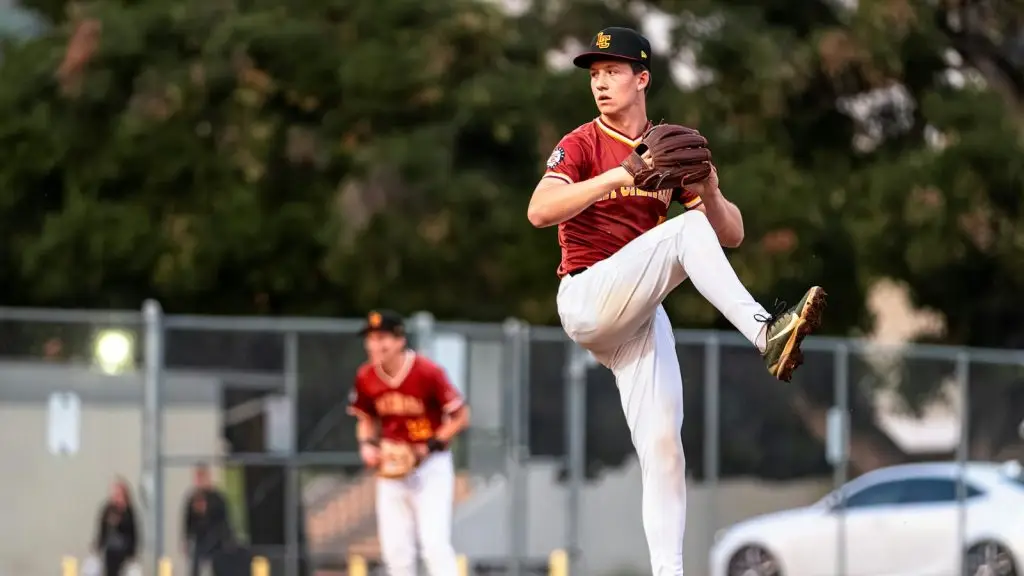
A tennis serve asks the whole body to create and transfer force in a short sequence. When shoulder or elbow symptoms appear, it is tempting to focus only on the painful area. Yet serving also depends on leg drive, trunk rotation, shoulder control, forearm capacity, timing, and the ability to repeat the motion as fatigue builds.
>>> Want a strength plan built around the demands of your serve? Request an appointment with our Yorba Linda sports rehabilitation team.
The Serve Is a Linked Movement
Force begins at the ground and travels through the legs, trunk, shoulder, elbow, wrist, and racquet. If one region contributes less, another may work harder to maintain pace or placement. That does not mean every shoulder or elbow problem begins somewhere else, but the complete sequence deserves attention.
We assess the painful area and observe how the athlete organizes the serve. Grip, toss position, trunk rotation, lower-body drive, and follow-through can provide context for strength and mobility findings.
We may also compare flat, slice, or kick serves because each pattern changes racquet path and force demands. The goal is not to rebuild technique without the coach. It is to identify physical limitations that affect how the athlete can execute the intended motion.
Capacity Must Match Serving Volume
Hitting ten controlled serves is different from serving through practice, drilling, and a match. An athlete may have enough peak strength but lose timing or control after repeated efforts. Sudden increases in lesson time, tournament play, or independent serving practice can expose that gap.
We ask about weekly court volume, recent changes, recovery between sessions, and when symptoms begin. This helps us distinguish a movement problem from a workload that currently exceeds capacity.
Strength Training Should Cover More Than Rotation
Shoulder rotation exercises may be part of rehabilitation, but they are not the entire program. The scapular muscles, forearm, trunk, hips, and legs all contribute to serving and recovery between shots.
A plan may include:
- Shoulder rotation and elevation strength
- Scapular control under load
- Wrist and forearm capacity for repeated racquet work
- Trunk rotation and anti-rotation exercise
- Lower-body power and deceleration training
Exercise selection depends on the athlete’s findings and stage of return.
Reintroduce Serving in Measured Steps
Serving can progress through effort, number of repetitions, target, spin, rest, and practice context. A player might begin with lower-intensity serves and generous rest before building toward higher pace or match-like patterns.
Tracking the response during play, later that day, and the following morning helps guide the next step. One comfortable session is useful information, but repeated tolerance matters before volume rises substantially.
Court practice and strength work should be coordinated. A demanding upper-body session placed immediately before heavy serving may create a different response than the same work performed with adequate recovery.
Use Testing to Guide Higher-Level Decisions
Our Performance Training can incorporate strength, power, movement, and sport-specific measures. Objective testing helps identify whether relevant qualities are improving and where additional work is needed.
Testing does not replace coaching or guarantee that symptoms will never return. It gives the athlete and rehabilitation team better information for deciding when to progress load, speed, and serving volume.
Build a Serve That Holds Up Across the Match
The goal is not merely to complete one pain-free motion. It is to develop enough strength, control, and recovery to support the demands of practice and competition. Our evidence-guided approach connects Sports Injury Solutions with progressive strength and conditioning.
Tennis players from Yorba Linda and nearby North Orange County communities can request an appointment or call (714) 695-1566 to address shoulder or elbow limitations with a plan tailored to repeated serves.