An athlete can feel ready for more before the body is prepared for full practice or competition. Walking, stairs, and basic exercise may be comfortable while sprinting, cutting, throwing, jumping, or contact still reveals a gap. Sports rehabilitation should define that gap and build the qualities needed to close it.
>>> Ready to move from rehabilitation exercises toward sport-specific demands? Request an appointment with our sports medicine team.
Recovery and Readiness Are Related but Different
Healing is essential, but returning to sport also requires strength, power, endurance, coordination, and confidence. A knee may tolerate daily life but not repeated deceleration. A shoulder may handle controlled exercise but not high-speed throwing. The relevant test depends on the sport and position.
We consider medical restrictions, current symptoms, and tissue healing while also asking what the athlete must perform. This keeps the plan grounded in both safety and the real activity goal.
Training history matters as well. The athlete returning in the middle of a competitive season may need different priorities from someone rebuilding during an off-season. Available practice time, coaching support, and weekly workload all influence how rehabilitation fits into the larger plan.
Sport Demands Should Shape the Evaluation
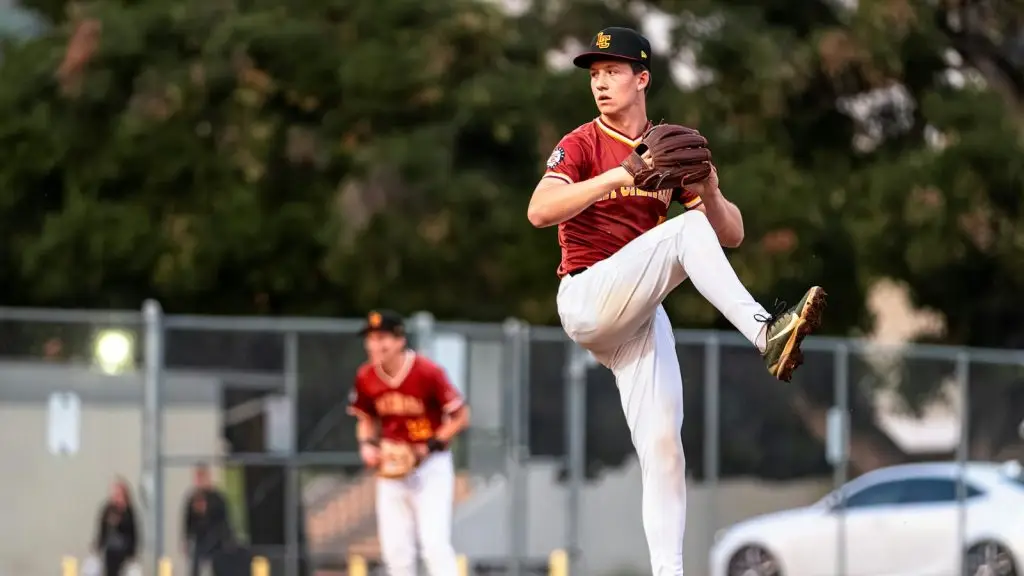
A runner, tennis player, baseball athlete, golfer, and field-sport athlete face different movement patterns and training calendars. Even within one sport, a pitcher and position player may need different preparation.
Assessment may include range of motion, strength, balance, jumping, landing, change of direction, throwing, or repeated-effort tasks. We select measures because they relate to the athlete’s role, not because every test belongs in every evaluation.
Progressive Loading Builds the Bridge
The body needs exposure to gradually increasing demand. Load can rise through resistance, repetitions, speed, range, frequency, or complexity. Changing one variable at a time makes the response easier to interpret.
A return progression may move through:
- Controlled strength through a relevant range
- Single-leg or position-specific control
- Faster or more reactive movement
- Repeated efforts with planned recovery
- Practice segments before full participation
The sequence changes with the athlete, injury, healing status, and sport calendar.
We also monitor the response after each progression. Temporary effort or muscle fatigue may be expected, while a meaningful increase in joint symptoms, swelling, or loss of function can indicate that the current dose needs to be adjusted.
Objective Measures Improve the Conversation
Visual movement quality provides useful information, but objective strength and performance measures can reveal gaps that are difficult to estimate. Dynamometry, hop testing, agility tasks, or power measures may be appropriate depending on the goal.
Our Return to Sport Testing contributes data to the readiness discussion. It does not guarantee clearance or eliminate future risk. Decisions may also involve the physician, surgeon, coach, athletic trainer, and athlete.
Sports Rehabilitation Should Prepare the Whole Athlete
Our Sports Injury Solutions blend physical therapy with strength and conditioning principles. We address the injured region while also rebuilding the athlete’s ability to produce, absorb, and repeat force during meaningful tasks.
Education is part of the process. Understanding workload, recovery, and the reason behind each progression helps athletes participate in decisions instead of simply following a generic protocol.
Return With a Plan Built for Your Sport
Readiness is rarely defined by one test or one symptom-free day. We look for consistent performance, an appropriate response after training, and progress across the qualities that matter most to the sport.
Our Yorba Linda clinic serves athletes from Anaheim Hills, Placentia, Brea, and across North Orange County. Request an appointment or call 714-695-1566 to build an evidence-guided path back to training and competition.