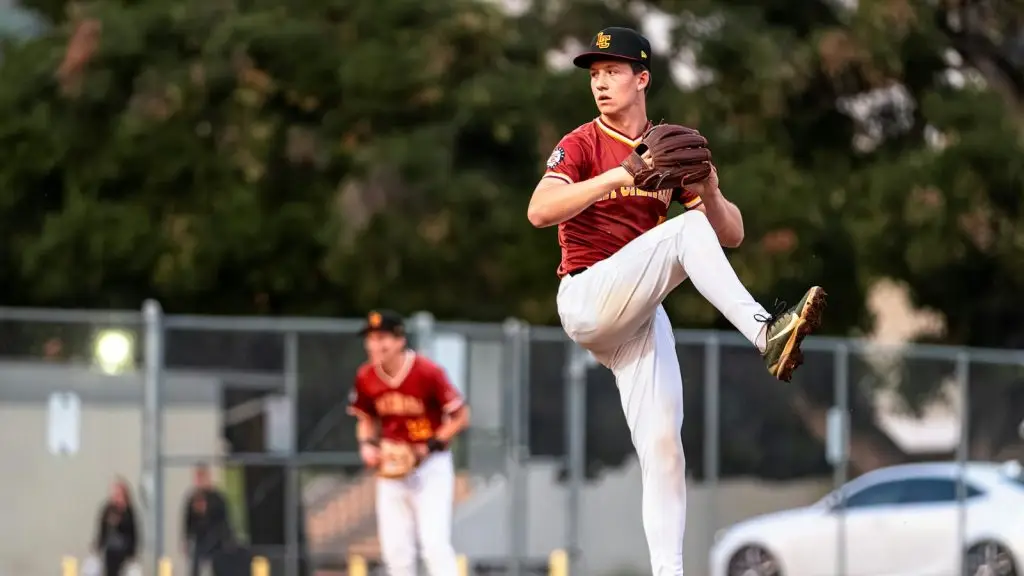
Returning to training after an injury can feel uncertain even when pain has improved. An athlete may be able to run, squat, throw, or jump again but still wonder whether the movement is ready for full speed, heavier load, or repeated practice. A functional movement screen can organize that question by showing how the body handles relevant tasks.
>>> Ready to connect your rehabilitation progress to real training demands? Request an appointment for an individualized movement assessment.
A Screen Is a Snapshot, Not a Pass-or-Fail Verdict
Movement screening looks at how a person completes selected tasks. It may reveal limited mobility, reduced control, side-to-side differences, or a strategy that changes as difficulty increases. Those findings can help guide training, but they do not predict every future injury or define the athlete’s potential.
We interpret the screen alongside injury history, symptoms, sport, training experience, and current goals. A score without that context can create false confidence or unnecessary concern.
We also consider the athlete’s current training week. A movement that looks controlled when fresh may change after practice, travel, or consecutive training days, and that response can influence how quickly workload should progress.
Choose Movements That Match the Athlete’s Goal
The useful task for a tennis player may differ from the useful task for a field athlete, runner, or lifter. A return-to-training screen should include movements that resemble the ranges, directions, speeds, and forces the person needs.
That may mean observing a squat, lunge, single-leg balance task, landing, change of direction, overhead reach, or rotational pattern. We start with controlled versions and add complexity only when it helps answer a specific question.
Look Beyond the First Repetition
An athlete may perform one repetition well and lose control as fatigue builds. Others move cautiously at first and improve once they understand the task. Repetition can reveal whether the limiting factor is strength, endurance, coordination, confidence, or an unfamiliar cue.
Useful observations may include:
- Range of motion during the task
- Balance and control from side to side
- Trunk, hip, knee, shoulder, or foot strategy
- Changes under speed or fatigue
- Symptoms during and after the movement
These details help turn a screen into a practical training decision.
Objective Testing Adds Another Layer
Movement quality matters, but athletes also need capacity. Strength, power, agility, and repeated-effort testing can show whether the body is prepared for higher-level sport demands. Dynamometry and other tools may help quantify changes that are difficult to judge by appearance alone.
Our Return to Sport Testing uses objective information as part of a broader decision. No single number guarantees readiness, so we combine measurements with the athlete’s function, response, and sport context.
Turn Findings Into a Focused Training Plan
A good screen should change what happens next. If ankle mobility limits a landing, the plan may address both mobility and load tolerance. If strength drops on one side, exercises may prioritize that gap before adding more speed or complexity.
Through Sports Injury Solutions, we connect rehabilitation science with progressive strength and conditioning. The goal is not to “correct” every small difference. It is to address findings that meaningfully affect the athlete’s goal.
Return to Training With Better Information
Progress may include improved control, greater strength, more consistent repetitions, or confidence during a previously avoided task. We retest the measures that matter and adjust the plan instead of relying on a fixed timeline.
Athletes from Anaheim Hills, Placentia, Brea, and across North Orange County can access individualized care at our Yorba Linda clinic. Request an appointment or call 714-695-1566 to build a return-to-training plan around your sport.